Volkswagen T-Cross Highway Comfort: Noise Checks to Make
A brief city drive does not establish whether a T-Cross will be comfortable on your regular highway journey. Noise and seating impressions depend on the exact tyres, road surface, speed and vehicle condition. Before buying remotely, agree a useful test rather than relying on a seller saying the car is quiet.

Define the route and record the test conditions
Ask for a lawful route with representative smooth and coarse surfaces, conducted by a qualified driver without distractions. Record tyre make, size and condition, passenger load and whether windows are closed. A video microphone may amplify or suppress sounds, so treat a recording as a way to identify concerns, not a calibrated comparison of cabin decibels against another car.
Separate tyre roar from symptoms needing investigation
Listen for how noise changes with road surface and ordinary changes in speed, but do not diagnose a bearing or suspension part from an audio clip. Persistent vibration, a rhythmic sound or a new mechanical noise warrants workshop assessment. Uneven or damaged tyres may distort the comfort impression. Resolve the condition issue before deciding that the model itself is inherently unsuitable.
For the related checks, read Volkswagen T-Cross Boot and Cabin: A Practical Fit Test.
Look for causes of unusual wind noise
Ask the inspector to check window closure, door seals, mirror damage and any fitted roof accessories. Previous glass or body repair should be documented where relevant. Do not assume adding insulation or replacing seals will cure an unidentified noise. A normal road-test report should distinguish what was observed from what has actually been diagnosed and priced for repair.
Sit long enough to assess your own support
Check seat-cushion support, steering reach and whether the driver can maintain a relaxed position while keeping a clear view. Rear passengers should evaluate their usual positions too. A sport-styled seat may not suit every body shape. Where a remote purchase prevents a meaningful comfort trial, acknowledge that uncertainty and try a genuinely matching local version before committing if possible.
What to request before agreeing the purchase
- The road-test route, lawful speeds, tyre specification and passenger load.
- Clear separation of normal impressions, observed symptoms and diagnosed faults.
- A seating trial in a matching version or an explicit note that comfort remains untested.
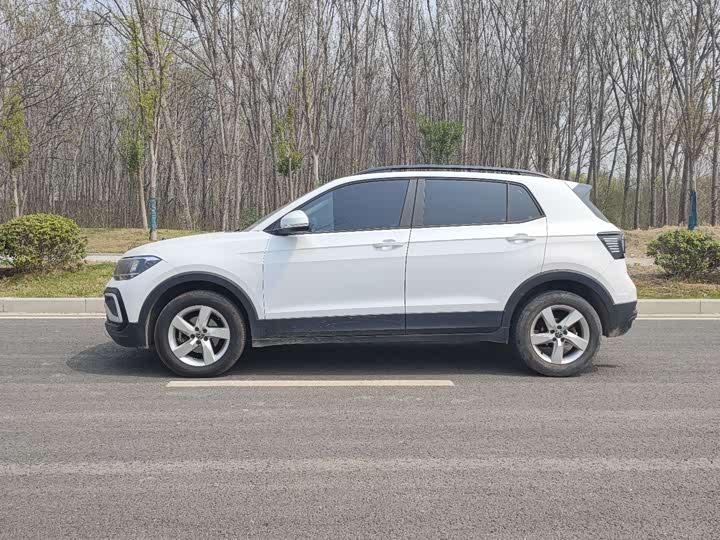
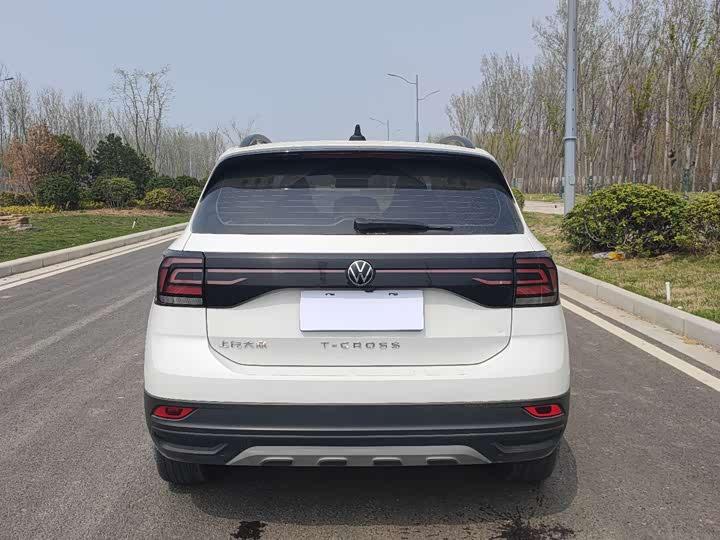
The buying decision
Choose a T-Cross whose inspected condition and seating work for your actual journey. If noise points to a defect, obtain diagnosis first; if the car is sound but uncomfortable for you, a different configuration or model may be the better purchase.
Questions buyers ask
Can two phone videos establish which car is quieter?
Not reliably. Recording devices, placement and conditions differ. Use them to flag concerns, not to claim a measured acoustic advantage.
Will changing tyres always fix road noise?
No. Tyres are one possible factor. Identify abnormal symptoms and confirm suitable tyre options before assuming a replacement will deliver a particular result.