Used Volkswagen T-Cross Brakes: What to Check Before Buying
When comparing two used T-Cross offers, brake condition can matter more than a small difference in mileage or trim. The right question is what the fitted system needs now, not whether the model has a reputation for long-lasting brakes. Obtain a vehicle-specific assessment before you price the car as ready to use.
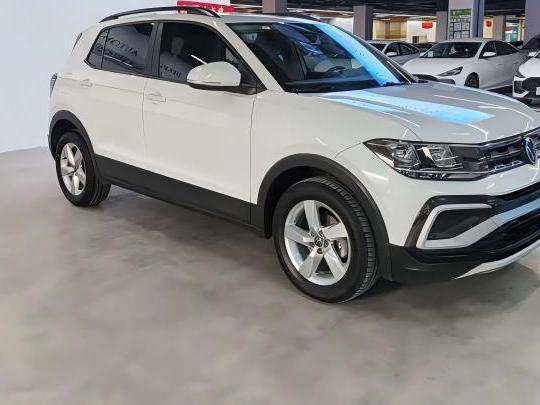
Identify the hardware rather than ordering by badge
Ask the workshop to identify the fitted brake components and the applicable service limits for the VIN. Do not assume every T-Cross market or engine uses identical hardware. Online parts listings can cover several configurations under one model name. The inspection and any replacement quote should refer to the system on the offered car, not a convenient generic parts package.
Require a complete condition assessment
Have a qualified technician record wear measurements and check for uneven wear, leakage, binding and damaged components using appropriate procedures. A photo through the wheel may not show every friction surface. A dashboard without a warning does not replace this assessment. Record whether the car has spent a long time in storage because that can affect what the inspector needs to investigate.
For the related checks, read Used T-Cross from China: Inspection and Acceptance Checks.
Use road-test observations to direct diagnosis
Any unusual pull, vibration, persistent noise or pedal behaviour should be reported and professionally assessed. Do not ask an untrained person to perform aggressive braking tests to prove the car is sound. Normal safe testing should follow workshop practice and local conditions. Avoid accepting a claim that all symptoms are temporary surface rust unless the inspection and follow-up actually support that conclusion.
Agree repair and retest before signing off
If parts are required, obtain a written scope using suitable components, qualified labour and the necessary checks after work. Distinguish a price allowance from completed rectification. Retain the invoice and final findings with the VIN, then compare the prepared cost of alternative vehicles. An unresolved braking defect is not a normal feature to accept in exchange for a higher equipment grade.
What to request before agreeing the purchase
- Identification of the fitted brake system and applicable manufacturer limits.
- Measured wear findings and diagnosis of reported symptoms.
- A written repair scope and post-work acceptance record where required.
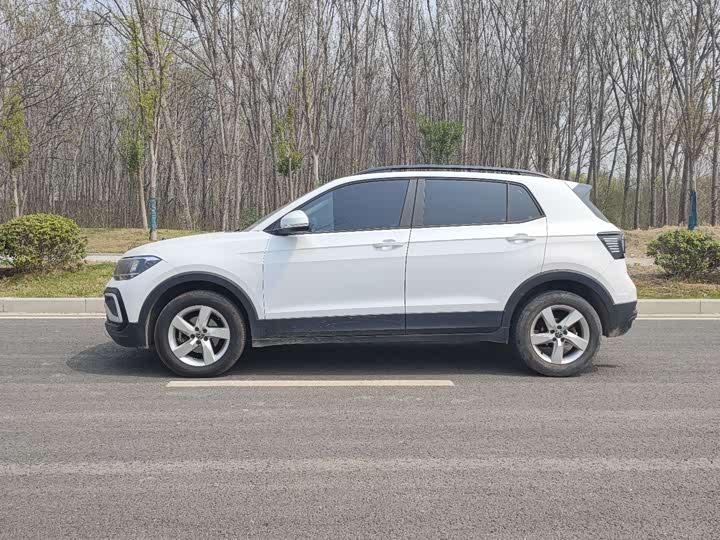
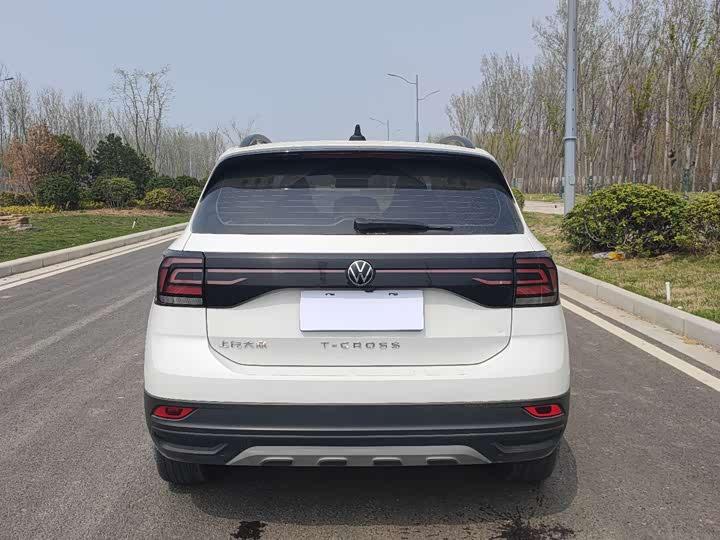
The buying decision
Prefer clear, measured evidence over statements that the brakes have plenty of life. If the car needs work, make successful rectification part of the transaction or choose another inspected example. Do not turn a safety-critical uncertainty into a guessed discount.
Questions buyers ask
Can new pads alone establish that the brakes are ready?
No. The rest of the system and the reason for replacement need assessment. Ask for the workshop findings and completed checks.
Does a higher-mileage T-Cross always have worse brakes?
No. Maintenance, use and storage affect condition. Compare the actual measurements and repair evidence on each vehicle.